
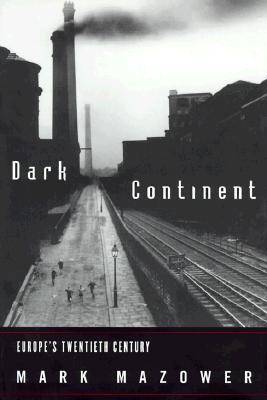
Dark Continent: Europe's Twentieth Century
- List Price: $30.00
- Binding: Hardcover
- Publisher: Alfred A. Knopf
- Publish date: 01/01/2005
In what the author describes as "an archaeology of the values and institutions of modem Europe", he presents the history of the continent as a whole, tracing political, ideological, military, and economic threads that wound across national boundaries and through the various events and upheavals occurring in the decades since the end of World War I. He delineates the growth of racism (which, he clearly shows, was never confined to Germany) that ripened into the Holocaust; the failure of capitalist democracy in the 1930s and its "unexpectedly dazzling" revival after World War II; the reasons why the Nazis were bound to fail in their attempt to create a self-sustaining empire; and the reasons why the Soviet example was so powerful in the years between the wars -- and so doomed in the long run; and much more.
Dark Continent skillfully succeeds both as a comprehensive history of Europe in this century and as a provocative vision of its future.