
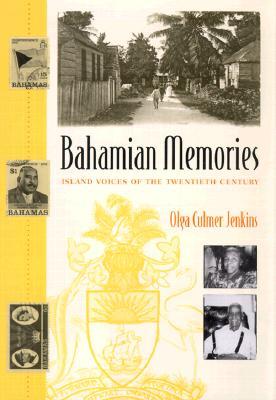
Bahamian Memories Island Voices of the Twentieth Century
- Binding: Hardcover
- Publisher: Univ Pr of Florida
- Publish date: 10/01/2000
Most of the 40 people Jenkins selected were born during the first three decades of the 20th century, and their voices are as varied as the populations of the eight islands the author visited, including black, white, mixed, and working- and middle-class individuals. Their views of change during the last century are captured in discussions ranging from early lifestyles, beliefs, and values to traditional occupations and customs to contract farming and tourism.
These stories remind readers that this archipelago, less than 100 miles off Florida's east coast, is close both geographically and historically to the United States. When the white Bahamian government and power brokers expressed a desire to attract U.S. tourist dollars, the consequence was the introduction of greater racial segregation in the Bahamas during the first half of the century. When liquor was outlawed in the United States during Prohibition, the Bahamian government and a few shrewd Bahamian citizens made tremendous profits by supplying liquor to bootleggers. When World War II took American workers abroad, Bahamian labor often helped keep U.S. farms and agricultural markets afloat.
Jenkins's parents were born on the Bahamian island of Eleuthera, and her roots are evident throughout this work. Approaching oral history with insight and sensitivity, she has preserved for scholars and future generations an important inspirational and educational legacy.
| Seller | Condition | Comments | Price |
|
Books & Music
|
Very Good |
$84.37
|