
Due to planned maintenance, your school has disabled school system log-ins at this time.
You may continue shopping as a guest, or by creating a bookstore-only account.
Please complete the purchase of any items in your cart before going to this third-party site.
Also note that if you qualify for financial aid, items purchased through this site will not be subject to
reimbursement.
You are licensing a digital product for a set duration.
Durations are set forth in the product description, with "Lifetime" typically meaning five (5) years of online access and permanent download to a supported device.
All licenses are non-transferrable.
More details can be found here. May come without consumable supplements like access codes, CD's, or workbooks.
Description:
In 1938, Britain's policy of appeasement toward the Third Reich was doomed because British leaders greatly misjudged Hitler's basic beliefs and thus also his behavior. Confident expectations -- built on hope instead of evidence -- were far out of line with reality.
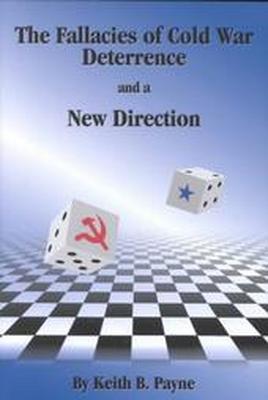
U.S. Cold War nuclear deterrence policy was similarly based on the mistaken assumption that Soviet leaders would be reasonable by Washington's standards. Keith B. Payne addresses the question of whether this assumption is adequate for the post-Cold War period. Using historical cases as evidence, and examples such as a U.S.-Chinese crisis over Taiwan, he proposes that U.S. policymakers should move away from the assumption that our opponents are predictable by the standards of our own culture. If we are to avoid possibly disastrous failures of deterrence, he argues, we should examine closely particular opponents' culture and beliefs to better anticipate their likely responses to U.S. deterrence threats.
Expand description
Product notice
Returnable at the third party seller's discretion and may come without consumable supplements like access codes, CD's, or workbooks.