
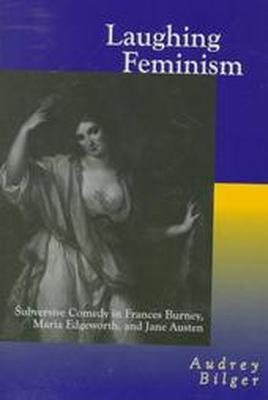
Laughing Feminism: Subversive Comedy in Frances Burney, Maria Edgeworth, and Jane Austen
- Binding: Hardcover
- Publisher: Wayne State University Press
- Publish date: 01/01/2003
Audrey Bilger shows that these women writers employ a full arsenal of comic weapons such as satire, burlesque, and parody to combat patriarchal nonsense and make comedy out of the discrepancies between the myth and reality of womanhood.
Bilger draws on current feminist criticism, comic theory, and the methodologies of literary history to provide a context for re-assessing the novels of these writers. She examines their cultural milieu to expose the rebelliousness inherent in their work. She then connects eighteenth-century comic theory to gender issues of their day and shows how each writer exemplified what we might now call Enlightenment feminist humor.
At a time when overt feminist statements could ruin a woman's reputation, comedy enabled these authors to smuggle feminism into their writing. Laughing Feminism sheds light on the ways in which Burney, Edgeworth, and Austen enlisted the power of comedy in the service of feminism, and in so doing participated in one of the most important ideological movements of the last three hundred years. It offers modern scholars a new look at feminist tactics as it brings to light a lost chapter in the history of comedy.