
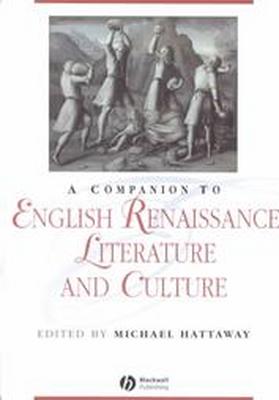
A Companion to English Renaissance Literature and Culture
- List Price: $145.95
- Binding: Hardcover
- Publisher: Blackwell Publishers
- Publish date: 01/01/2001
The first part of the volume considers pertinent issues such as humanism, English reformations, the development of the language, court culture, and playhouses, in terms of the way in which these aspects of Renaissance culture influenced literary production. There are provocative essays on canonical genres such as love poetry and Jacobean tragedy, but also accounts of popular and occasional drama and verse, and of the visual arts.
The Companion also approaches key texts of the period through a number of new readings by eminent scholars in the field, providing original perspectives and positions on both canonical and non-canonical texts. The essays include a range of approaches to a variety of texts, from The Spanish Tragedy and The Faerie Queene to 'Tis Pity She's a Whore, the poems of Lady Mary Wroth, and a selection of critical elegies. In the final section, the book moves on to explore contemporary debates in Renaissance studies such as feminism, sexuality, historicism, and nation.