
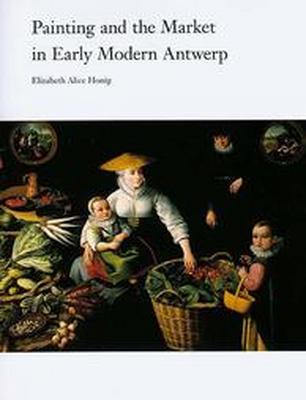
Painting & the Market in Early Modern Antwerp
- List Price: $60.00
- Binding: Hardcover
- Publisher: Yale Univ Pr
- Publish date: 12/01/1998
Honig discusses the paintings of Pieter Aertsen and his nephew Joachim Beuckelaer within the context of a developing aesthetic of exchange, as art became increasingly defined as an alluring commodity that aroused in its beholder a desire for possession and called upon the tempering forces of individual reason and self-judgment. She then examines file relation between painting and file market that emerged in Antwerp after the Spanish reconquest. She shows how the dynamism of market commerce was pictorially masked to provide an illusion of stasis: still-life painting became the inheritor of -- and subverter of -- the market scene. Finally she considers the implications of an aesthetic of display within a newly dominant manner of artistic production (collaboration) and consumption (connoisseurship), as painters tried to produce works that would appeal to the tastes of consumers. She argues that the roots of certain modern ways of collecting and valuing paintings lay within this change in aesthetic priorities.