
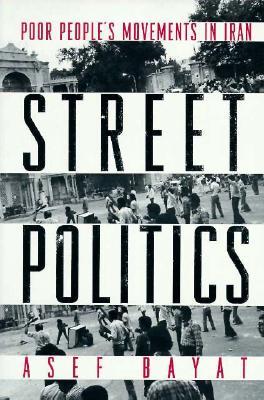
Street Politics Poor People's Movements in Iran
- Binding: Paperback
- Publisher: Columbia Univ Pr
- Publish date: 12/01/1997
Description:
In the late 1970s and throughout the 1980s, an active political movement took shape on the streets of Iran's largest cities. Poor people began to construct their own communities on unused urban lands, creating an infrastructure -- roads, electricity, running water, garbage collection, and shelters -- all their own. As the Iranian government attempted to evict these illegal settlers, they resisted -- fiercely and ultimately successfully. Later, as growing numbers of unemployed found little support from the government in their search for work, they mobilized again, transforming cityscapes into vibrant bazaars of pushcarts and kiosks almost wholly beyond the economic control of the Iranian regime.
Expand description
This extraordinary tale of grassroots activism among the dispossessed in one of the world's harshest lands has scarcely been examined until now. With dozens of eyewitness accounts -- interviews with squatters, activists, and reporters -- and newspaper articles, Bayat demonstrates that while poor people have real political agendas, their needs are not easily answered even by the most seemingly populist of revolutionary reform movements.
Written by a scholar with roots in a poor Iranian community, this little-known story debunks leading theories about the politics of the poor in the Third World and about the relationship between social movements and political change.

Please Wait