
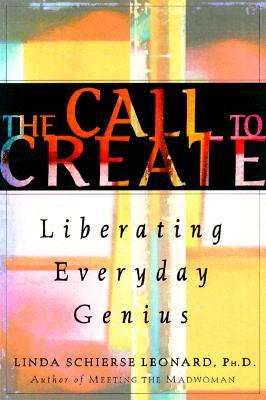
The Call to Create: Celebrating Acts of Imagination
- List Price: $25.00
- Binding: Hardcover
- Publisher: Harmony Books
- Publish date: 03/28/2000
-- The Sower, who plants the seeds of faith in and commitment to the creative process while The Cynic lacks faith and neglects to care at the slightest hint of imperfection, all the while encouraging doubt and mistrust in our abilities
-- The Escape Artist wants to evade the pain, anguish and doubt that can accompany the creative process as The Sentinel stands watch to prevent retreat and regression from the process, which can be difficult but rewarding
-- The Adventurer breaks out of a known patter, taking a leap of faith and risking failure while The Conformist discourages discovery that threatens security, profit and safety
By identifying these traits in ourselves and in others, the reader is able to embark on a process of self-discovery. By understanding how to cultivate the helpers within us -- and by following the examples of well-known artists -- we can develop and appreciate creativity in everything from family and romantic relationships to business deals.
The construct of Leonard's work is groundbreaking as it goes beyond the predictable exercise routine which most self-help books provide and allows artists and non-artists to embrace their creative potential. Like James Hillman, Leonard uses stories of ordinary andextraordinary people (Rilke, Colette, Dostoyevsky) for inspiration. With Leonard's guidance, we learn to nurture and encourage the positive aspects of these traits while overcoming those which distract us from the process of creativity. By giving the reader an enlightened path to the self, "The Call to Create" celebrates not only the individual, it celebrates life.