
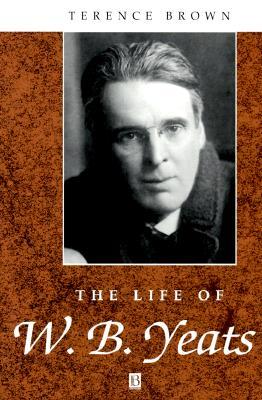
The Life of W. B. Yeats: a Critical Biography
- List Price: $141.95
- Binding: Hardcover
- Publisher: John Wiley & Sons
- Publish date: 01/01/2000
The biography considers a career that began in the late Victorian world of London, a career involving a deep commitment to the life of an emergent Ireland in the twentieth century. It also addresses the disillusionment and alienation from the modem world that made Yeats, who began as a symbolist poet, one of the major figures of the Modernist movement in the 1920s.
A central focus of this study is Yeats's perennial pursuit of sacral power, which he saw as being vested in traditional institutions. It examines how at various stages of his life he sought to acquire this power for himself in such "institutions" as a magical order, a nation, a theatre, the community of the dead, and, climatically, an occult marriage. The concluding stages of the book assess Yeat's final years as a crisis of faith in these institutions.
Impressive in scope, the biography takes all of Yeats's major works into account, including the poet's engagement with occult knowledge and power and with spiritualist illumination. It explores this problematic aspect of the poet's career as bearing on key elements in the experience of modernity: the roles of science and religion, the emancipation of women, and the artistic representation of the body.