
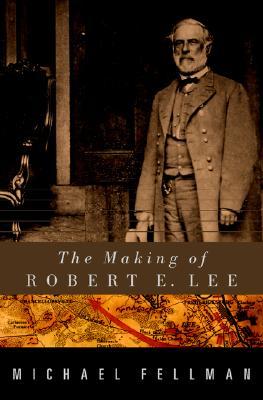
The Making of Robert E. Lee
- List Price: $29.95
- Binding: Hardcover
- Publisher: Random House
- Publish date: 11/01/2000
Lee came from the upper reaches of the old first families of Virginia, which combined with a West Point education lent him his social airs and which also led him to distrust poor whites, including those whom he commanded in the war. His local paternalism compelled him to stay with Virginia when that state left the Union, and it also characterized his relationships with his fellow officers and men, as well as with African Americans.
Lee's applications of the gentleman's code of honor to women were deeply conflicted. He paraded love letters -- which probably implied extra-marital affairs -- in front of his wife who was increasingly crippled from rheumatoid arthritis, and shared his passion and anger in unusual and revealing ways. The Violence of war challenged Lee, who had been a rather fussy, obsessively neat man, to deal with passions he would much rather have avoided.
Just as Sherman was the harshest and most explicitly warlike of the Union generals, so Lee, surprisingly, was one of the most ruthless of southern generals. Son of a famous revolutionary general and governor of Virginia who turned into a financial fast dealer compelled to flee the United States to escape jail, Lee had confused patrimony which he always attempted to make good. Hemade something of an ideal type of himself, a view which was redoubled by others before, during, and especially after the war, when he became the perfect hero of the lost cause.